How to Find Auto Repair in Bechtelsville PA Right Now
What Every Car Owner Should Know About Common Auto Repair Services
Every car owner should possess a foundational understanding of common auto repair services. Regular upkeep serves a critical function in vehicle longevity and performance. Overlooking fundamental maintenance may result in significant issues down the road. Knowing when to address concerns, such as oil changes or brake inspections, is essential. This guide aims to highlight important services that every vehicle requires. What are the key components of maintenance that drivers often overlook?
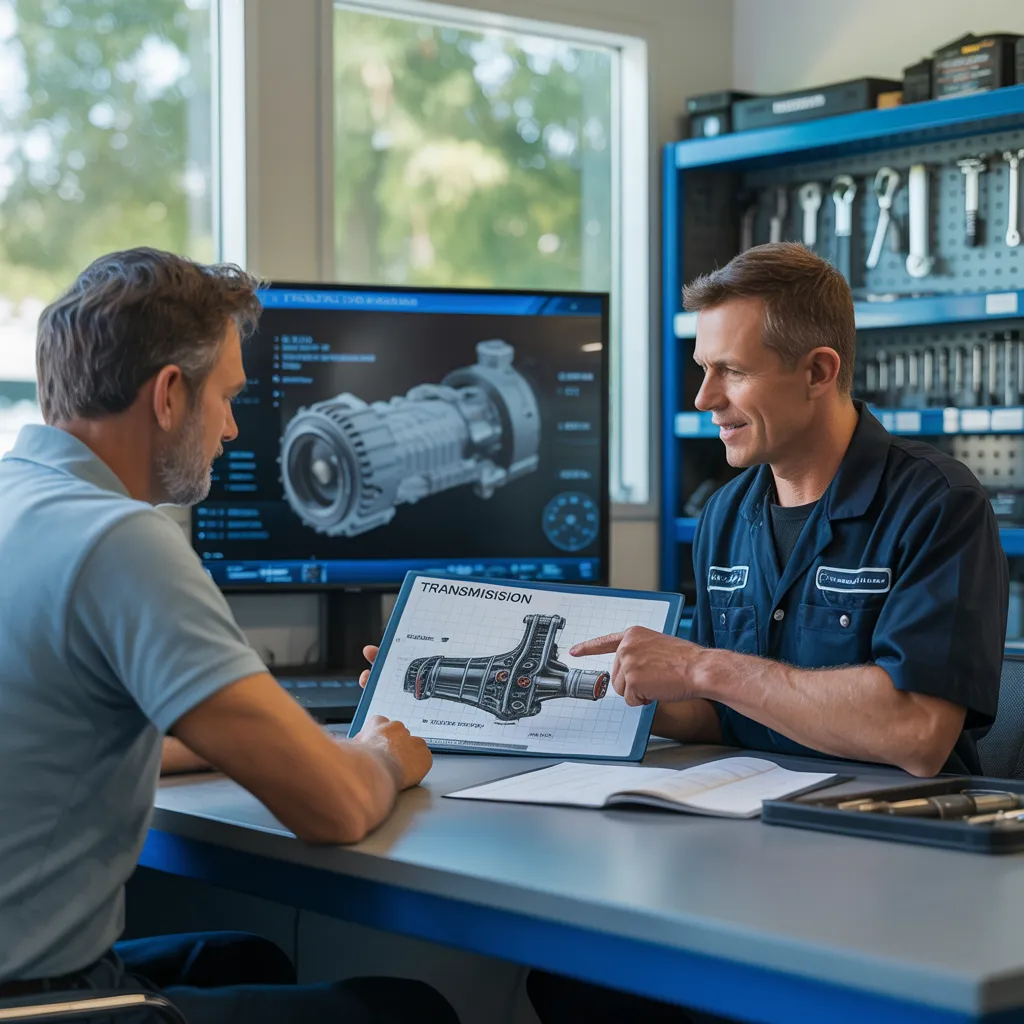
Understanding Regular Maintenance Solutions
While many vehicle owners recognize the importance of routine maintenance, they often overlook the specific services that contribute to a car's longevity and performance. Consistent maintenance comprises various vital procedures, including tire rotations, brake examinations, and fluid verifications. All services fulfill a critical purpose in preventing prospective complications that might cause substantial repair costs. For example, consistent tire rotations ensure uniform wear, extending tire lifespan and boosting fuel economy. Brake evaluations assist in preserving optimal stopping capability, while fluid assessments verify that essential systems function properly. By detailed article maintaining a systematic maintenance routine, vehicle owners can considerably increase the longevity of their cars, guaranteeing consistent performance and safety during operation. Ongoing commitment to these services finally cultivates a trustworthy driving experience.
The Importance of Oil Changes
Oil changes serve a vital role in preserving engine performance and longevity. Through regular motor oil replacement, vehicle owners can prevent sludge buildup and ensure proper lubrication of engine components. This routine maintenance not only boosts efficiency but also extends the vehicle's life.
Performance Benefits for Your Engine
Frequent oil changes are essential for preserving top engine performance in any vehicle. Fresh oil lubricates engine components, decreasing friction and wear, which in turn improves efficiency. This optimal lubrication allows the engine to run smoothly, boosting fuel economy and power output. Additionally, clean oil clears away contaminants and debris that can collect over time, averting potential damage and extending engine life. When engine parts move freely, the overall performance increases, leading to a more responsive driving experience. Furthermore, timely oil changes can stop overheating, as oil also functions as a coolant. Essentially, regular oil changes are a straightforward but powerful way to make certain a vehicle runs smoothly and dependably, protecting its performance over time.
Preventative Maintenance: Its Importance
Regular preventative maintenance is essential for prolonging the longevity and dependability of a vehicle, with oil changes representing a key component. Regular oil changes guarantee that the engine operates smoothly by removing dirt and debris built up over time. Fresh oil minimizes friction, allowing engine parts to work optimally and stopping overheating. This regular maintenance also helps sustain peak fuel efficiency, which can reduce costs for owners in the long run. Skipping oil changes can cause severe engine damage and expensive repairs. By following a scheduled oil change regimen, car owners can boost vehicle performance, maintain engine health, and ultimately prolong the car's life. As a result, consistent oil maintenance is a critical aspect of responsible vehicle ownership.
Repair and Maintenance of Brake Systems
Maintaining and repairing brake systems is crucial for ensuring vehicle safety and reliability. Regular inspections can help identify indicators of brake problems, for example unusual noises or decreased responsiveness. Knowing the available brake service options ensures that drivers can make well-informed selections about their vehicle's needs.
Value of Brake Checks
How vital are brake inspections in maintaining vehicle safety and performance? Routine brake inspections are vital for discovering potential issues before they turn into serious problems. They help sustain the integrity of the braking system, which is vital for safe driving. Inspections commonly involve inspecting brake pads, rotors, and fluid levels, verifying that components are functioning correctly. By performing these evaluations, car owners can boost their vehicle's reliability and longevity while reducing the risk of accidents. Moreover, proactive maintenance can lead to cost savings by tackling minor repairs early, stopping more extensive damage. On the whole, routine brake inspections are a fundamental aspect of responsible vehicle ownership that emphasizes safety on the road.
Signs Your Brakes Need Attention
Routine brake inspections play an essential role in identifying potential problems, but car owners should also be aware of specific signs that indicate brake issues. Unusual noises, such as grinding or squeaking, often signal deteriorated brake pads and require urgent attention. A mushy or sluggish brake pedal may suggest air in the brake lines or low fluid levels. Moreover, vibrations or pulsations when braking can suggest warped rotors. Drivers should also check for a warning light on the dashboard, which often signals brake system malfunctions. Finally, if the vehicle pulls to one side during braking, it may suggest uneven brake wear or problems with the brake system. Identifying these signs early can prevent more costly repairs.
Brake Service Categories
Maintaining a vehicle's braking system is vital for performance and safety. Brake services usually include examinations, pad replacements, rotor resurfacing, and fluid changes. Periodic assessments help identify wear and tear, ensuring optimal functionality. Brake pad replacement is necessary when pads become too thin, which can result in diminished stopping power. Rotor resurfacing may be required if the rotors exhibit warping or scoring, providing smoother braking. Moreover, bleeding and replacing brake fluid is essential, as old fluid can absorb moisture and reduce braking efficiency. Some services may also involve checking brake lines and calipers for leaks or damage. Proper maintenance of the braking system enhances vehicle safety and extends the lifespan of its components.
Tire Care and Replacement
Despite being often ignored, adequate tire care and prompt replacement are critical for guaranteeing vehicle safety and performance. Consistent tire inspections can help discover issues such as non-uniform wear, punctures, or low tread depth, which can compromise traction and handling. Sustaining correct tire pressure is similarly vital, as both under-inflation and over-inflation can result in premature wear and increased risk of blowouts. Drivers should also rotate their tires on a routine basis to ensure even wear across all four tires. When it comes time for replacement, choosing the right type of tire—whether all-season, winter, or performance—is vital for ideal driving conditions. By giving attention to tire care, vehicle owners can boost their safety and increase the lifespan of their tires.
Electrical Diagnostics Services
Tire care is just one aspect of vehicle maintenance, but electrical system diagnostics fulfill a vital purpose in keeping a vehicle running smoothly. The electrical system powers critical components, including the ignition, lights, and entertainment systems. When issues arise, they can appear as dimming lights, difficulty starting, or malfunctioning accessories. Technicians utilize specialized tools to identify problems, often starting with a complete scan of the vehicle's onboard computer. This process helps detect faults in wiring, batteries, or fuses. Tackling electrical issues promptly is essential, as neglect can cause more substantial problems and potentially unsafe driving conditions. Regular diagnostics can confirm all electrical components function correctly, enhancing the overall reliability and safety of the vehicle.
AC System Services and Repairs
Cooling system maintenance and repair work are vital for preventing engine overheating and ensuring maximum vehicle efficiency. This mechanism manages regulating engine temperature, utilizing components such as the radiator, water pump, and thermostat. Routine servicing, including coolant flushes and inspections, assists in detecting leaks, corrosion, or blockages that might reduce functionality. Signs of cooling system issues may include fluctuating temperature gauges, steam coming from the engine, or leaking coolant. Prompt repair work, including replacing a malfunctioning thermostat or water pump, can prevent more severe engine damage and high-cost fixes. By emphasizing cooling system maintenance, vehicle owners can boost vehicle reliability, enhance fuel efficiency, and lengthen the total lifespan of their engines.
Popular Questions
What Are the Signs My Car Needs Repair?
Signs your vehicle needs maintenance include odd noises, alert lights on the dashboard, lower performance, leaks of fluids, and vibrations while driving. Regular service inspections can also help identify possible issues before they escalate.
What Are the Warning Signs of Transmission Failure?
Signs of a deteriorating transmission include slipping between gears, hesitant gear changes, odd sounds, fluid leaks, dashboard warning indicators, and acrid smells. These symptoms point to potential problems that may need urgent attention from a professional mechanic for correct diagnosis.
How Regularly Should I Change My Windshield Wipers?
You should typically replace windshield wipers every six to twelve months, depending on usage and environmental conditions. Regular inspection for signs of wear, such as streaking or skipping, can help establish when replacement is essential.
Can I Handle Auto Repairs Myself?
Many vehicle repairs can be carried out by those with fundamental mechanical skills and tools. However, it's advisable to seek professional help for complex issues or when lacking experience to ensure safety and proper vehicle function.
What Should I Do in Case of a Breakdown?
If there is a breakdown, one should safely pull over, switch on hazard lights, examine the situation, contact roadside assistance if appropriate, and avoid attempting repairs in unsafe conditions, always prioritizing personal safety.